
Skip to Navigation Skip to Main Skip to Passage

Skip
Directions


Next


BAK


SHO


HLP

poopysnoopy enter


SECTION END
Text will be give for this Ending screen.
This section measures your ability to understand spoken English.
In the actual test, you will have a short amount of time to answer each question and a clock will show you how much time is remaining for each question. The clock will not count down while you are listening and will only count down when you are answering questions. Additionally, in the actual test, you must answer each question. After you select Next, you will not be able to return to the previous question.
You may take notes and use your notes to help you answer the questions. Your notes will not be scored.
In this practice test, you can:
• use Back and Next buttons to go to different questions in the test
• check your answers using the Show Answer button
• use the Play button to start playing audio files
Remember that these buttons and functionality will not be available in the Listening section of the actual test.
You will now begin the Listening section.
Select Continue at any time to dismiss these directions.
This section measures your ability to understand spoken English.
In the actual test, you will have a short amount of time to answer each question and a clock will show you how much time is remaining for each question. The clock will not count down while you are listening and will only count down when you are answering questions. Additionally, in the actual test, you must answer each question. After you select Next, you will not be able to return to the previous question.
All audio content will start automatically after 3 minutes if you do not select the Play button.
When you encounter an audio selection, you will select Play to hear the audio. Once you select Play, there will be a slight pause to ensure time for your assistive technology to complete any announcements. While the audio is playing, it is suggested that you do not interact with the keyboard.
You may take notes and use your notes to help you answer the questions. Your notes will not be scored.
In this practice test, you can:
• use Back and Next buttons to go to different questions in the test
• check your answers using the Show Answer button
Remember that these buttons and functionality will not be available in the Listening section of the actual test.
You will now begin the Listening section.
Select Continue at any time to dismiss these directions.
You will listen once to a sentence or question. You will then read four senetences and choose the option that is the best response. You must play the audio in order to select an answer. The Show Answer button becomes active after you play the audio.
Select Continue to go on.
You will listen once to a sentence or question. You will then read four sentences and choose the option that is the best response. You must play the question audio in order to select an answer. In the actual test, you will listen only one time and the clock will show you how much time you have to answer.
The Show Answer button becomes active after you play the audio.
Select Continue to go on.
Listen to conversations, announcements, and talks and then answer questions. In the actual test, you will listen only one time and the clock will show how much time you have to answer. specialsentence
Select Continue to go on.
Listen to conversations, announcements, and talks and then answer questions. In the actual test, you will listen only one time and the clock will show how much time you have to answer. specialsentence
After the audio of a conversation, announcement, or talk finishes playing, select Next to go to the first question.
You may pause the audio to take notes. The number of times you will be able to pause is indicated in the Orientation Information region. The maximum duration of each pause is 1 minute. You can select Play to resume playing the audio. Otherwise, the audio will automatically resume playing after 1 minute.
Select Continue to go on.
This section measures your ability to understand written English. For some questions, you will move your answer choices to a blank. For other questions, you will select the best answer from several options.
To move an answer to a blank:
• Use the mouse to drag a choice to the blank.
• Or use Tab to go to the choice and press the space bar to select it. Then use Shift+Tab to go to the correct blank and then press the space bar.
To change your answer:
• Use the mouse to drag your new answer choice to the correct blank.
• Or use Tab or Shift+Tab to go to the choice you want to remove. Press the space bar to select the choice and then press the space bar again to return it to the answer choices. You may then select a new answer choice.
To go to the next question:
• Use the mouse to select the Next button.
• Or use the Tab key to go to the Next button. You may have to press the tab key more than once.
In the actual test, a clock will show you how much time you have remaining to complete the section. Additionally, within each part of the reading section, you can move to the next question by selecting Next. You can skip questions and go back to them later. If you want to return to previous questions, select Back. A review screen is also available in the actual test. By selecting Review, you will have the opportunity to check whether you have or have not answered any of the questions. The review screen is available at any time during this section.
You may take notes and use your notes to help you answer the questions. Your notes will not be scored.
In this practice test, you can:
• use the Back and Next buttons to go to different questions in the test
• check your answers using the Show Answer button
In this practice test the Review screen is not available.
Select Continue to go on.
This section measures your ability to understand written English. For some questions, you will move your answer choices to a blank. For other questions, you will select the best answer from several options.
To move an answer to a blank:
• Use the mouse to drag a choice to the blank.
• Or use Tab to go to the choice and press the space bar to select it. Then use Shift+Tab to go to the correct blank and then press the space bar.
To change your answer:
• Use the mouse to drag your new answer choice to the correct blank.
• Or use Tab or Shift+Tab to go to the choice you want to remove. Press the space bar to select the choice and then press the space bar again to return it to the answer choices. You may then select a new answer choice.
To listen to your answer:
• Use Tab or Shift+Tab to go to a filled or an unfilled blank in the target region or to go to a choice in the choice region.
• Press Ctrl+Shift+S to listen to your answer
To go to the next question:
• Use the mouse to select the Next button.
• Or use the Tab key to go to the Next button. You may have to press the tab key more than once.
In the actual test, a clock will show you how much time you have remaining to complete the section. Additionally, within each part of the reading section, you can move to the next question by selecting Next. You can skip questions and go back to them later. If you want to return to previous questions, select Back. A review screen is also available in the actual test. By selecting Review, you will have the opportunity to check whether you have or have not answered any of the questions. The review screen is available at any time during this section.
You may take notes and use your notes to help you answer the questions. Your notes will not be scored.
In this practice test, you can:
• use the Back and Next buttons to go to different questions in the test
• check your answers using the Show Answer button
In this practice test the Review screen is not available.
Select Continue to go on.
This task has a dialogue with two parts. The first part is complete, but the second part has blanks. Move the words to the blanks to make a grammatical sentence. For some questions, there may be more words than blanks. In those cases, move only the words you need into the blanks.
In the actual test, within this part of the writing section, you can move to the next question by selecting Next. You can also skip questions and go back to them later as long as there is time remaining in the part. If you want to return to previous questions, select Back.
In this practice test you can check your answers using the Show Answer button.
To move an answer to a blank:
• Use the mouse to drag the words to the blanks where they belong.
• Or use Tab to go to the word and press the space bar to select it. Then use Shift+Tab to go to the correct blank and then press the space bar.
To change your answer:
• Use the mouse to drag your new answer choice to the correct blank.
• Or use Tab or Shift+Tab to go to the choice you want to remove. Press the space bar to select the choice and then prese the space bar again to return it to the answer choices. You may then select a new answer choice.
To go to the next question:
• Use the mouse to select the Next button.
• Or use the Tab key to go to the Next button. You may have to press the tab key more than once.
Select Continue to go on.
This task has a dialogue with two parts. The first part is complete, but the second part has blanks. Move the words to the blanks to make a grammatical sentence. For some questions, there may be more words than blanks. In those cases, move only the words you need into the blanks.
In the actual test, within this part of the writing section, you can move to the next question by selecting Next. You can also skip questions and go back to them later as long as there is time remaining in the part. If you want to return to previous questions, select Back.
In this practice test you can check your answers using the Show Answer button.
To move an answer to a blank:
• Use the mouse to drag the words to the blanks where they belong.
• Or use Tab to go to the word and press the space bar to select it. Then use Shift+Tab to go to the correct blank and then press the space bar.
To change your answer,:
• Use the mouse to drag your new answer choice to the correct blank.
• Or use Tab or Shift+Tab to go to the choice you want to remove. Press the space bar to select the choice and then prese the space bar again to return it to the answer choices. You may then select a new answer choice.
To listen to your answer:
• Use Tab or Shift+Tab to go to a filled or an unfilled blank in the target region or to go to a choice in the choice region.
• Press Ctrl+Shift+S to listen to your answer
To go to the next question:
• Use the mouse to select the Next button.
• Or use the Tab key to go to the Next button. You may have to press the tab key more than once.
Select Continue to go on.
This task has a dialogue with two parts. The first part is complete, but the second part has blanks. Move the words to the blanks to make a grammatical sentence. For some questions, there may be more words than blanks. In those cases, move only the words you need into the blanks.
In the actual test, within this part of the writing section, you can move to the next question by selecting Next. You can also skip questions and go back to them later as long as there is time remaining in the part. If you want to return to previous questions, select Back.
In this practice test you can check your answers using the Show Answer button.
To move an answer to a blank:
Use the mouse to drag the words to the blanks where they belong.
Or use Tab to go to the word and press the space bar to select it. Then use Shift+Tab to go to the correct blank and then press the space bar.
To change your answer,:
Use the mouse to drag your new answer choice to the correct blank.
Or use Tab or Shift+Tab to go to the choice you want to remove. Press the space bar to select the choice and then prese the space bar again to return it to the answer choices. You may then select a new answer choice.
To listen to your answer:
Use Tab or Shitf+Tab to go to a word or blank in the target region.
Press Ctrl+Shift+S to listen to your answer
To go to the next question:
Use the mouse to select the Next button.
Or use the Tab key to go to the Next button. You may have to press the tab key more than once.
Fill in the blanks by selecting source choices, and inserting them into the target blanks in the sentence. When source is selected it will be labeled "Grabbed". Move to the desired target, and press "space bar" to insert the grabbed choice into the target.
Select Continue to go on.
This task has a dialogue with two parts. The first part is complete, but the second part has blanks. Move the words to the blanks to make a gramatical sentence. For some questions there may be more words than blanks. In those cases, move only the words you need into the blanks.
In the actual test, within this part of the writing section, you can move to the next question by selecting Next. You can also skip questions and go back to them later as long as there is time remaining in the part. If you want to return to previous questions, select Back.
In this practice test you can check your answers using the Show Answer button.
Select Continue to go on.
This section measures your ability to speak and communicate effectively.
You will be presented with three tasks. For each task, you will provide a series of responses.
In the actual test, you will have a short amount of time for each response and the clock will show you how much time is remaining. Additionally, you will not have time to prepare your responses (Note: We do not recommend taking notes in this section). When your time for each response is over, you will be moved to the next task and will not be able to go back.
In this practice test, you can:
• use Back and Next buttons
• use the Play button to start playing audio files
• listen to sample responses and read comments about them (Play Sample Response buttons will appear automatically after the audio of a part or question is played)
To begin the Speaking section, select Continue.
This section measures your ability to speak and communicate effectively. You will be presented with two tasks. For each task, you will provide a series of responses.
All audio content will start automatically after 3 minutes if you do not select the Play button.
When you encounter an audio selection, you will select Play to hear the audio. Once you select Play, there will be a slight pause to ensure time for your assistive technology to complete any announcements.
In the actual test, you will have a short amount of time for each response and the clock will show you how much time is remaining. Additionally, you will not have time to prepare your responses (Note: We do not recommend taking notes in this section). When your time for each response is over, a Stop Speaking message will appear and you will select continue to go on. You will not be able to go back.
In this practice test, you can:
• use Back and Next buttons
• use the Play Audio button to start playing audio files
• listen to sample responses and read comments about them
To begin the Speaking section, select Continue.
This section measures your ability to speak and communicate effectively.
You will be presented with two tasks. For each task, you will provide a series of responses.
In the actual test, you will have a short amount of time for each response and the clock will show you how much time is remaining. Additionally, you will not have time to prepare your responses (Note: We do not recommend taking notes in this section). When your time for each response is over, you will be moved to the next task and will not be able to go back.
In this practice test, you can:
• use Back and Next buttons
• use the Play button to start playing audio files
• listen to sample responses and read comments about them (Play Sample Response buttons will appear automatically after the audio of a part or question is played)
To begin the Speaking section, select Continue.
For this task, you will hear someone speak to you. After the person has completed speaking, words will appear on the screen and you will hear a beep. Read the words aloud after the beep.
In the actual test, the clock will show you how much time you have to read the words out loud. Read the words aloud one time only.
In this practice test, you will only listen to sample responses and read comments about them.
The Read Aloud practice includes examples of the passage being read by test takers from a variety of language backgrounds with a variety of accents. The examples of successful performances share these characteristics:
• The passage is read with ease or with very little difficulty.
• Speech is fluid and intelligible with little or no hesitation.
• Units of meaning are marked by appropriate intonation and pauses.
• Minor mispronunciation or other language influence may be present but do not affect intelligibility.
Test takers are not evaluated on how well they act the part. Intonation and stress is important only to the extent that it is used to express the meaning of the written text.
Each response will have 2 sample responses that you can listen to. Annotations describing the sample responses are displayed near the bottom of the screen.
Select Continue to go on.
In this part, you will read a role in a conversation. A transcript of someone speaking to you is provided. After you view the trasncript, you must play the audio and then some words will appear. Read the words aloud.
In the actual test, the clock will show you how much time you have to read the words out loud. Read the words aloud one time only.
In this practice test, you will only listen to sample responses and read comments about them. Transcripts for the sample responses are provided.
The Read Aloud practice includes examples of the passage being read by test takers from a variety of language backgrounds with a variety of accents. The examples of successful performances share these characteristics:
• The passage is read with ease or with very little difficulty.
• Speech is fluid and intelligible with little or no hesitation.
• Units of meaning are marked by appropriate intonation and pauses.
• Minor mispronunciation or other language influence may be present but do not affect intelligibility.
Test takers are not evaluated on how well they act the part. Intonation and stress is important only to the extent that it is used to express the meaning of the written text.
Each response will have 2 sample responses that you can listen to. Annotations describing the sample responses are displayed near the bottom of the screen.
Select Continue to go on.
For this task, you will listen as someone speaks to you. You will repeat what you have heard after you hear the beep. The person will then speak again.
In the actual test, the clock will show you how much time you have to speak. Repeat the words aloud one time only.
In this practice test, you will only listen to sample responses and read comments about them.
The Listen and Repeat practice items include examples of sentences being successfully repeated by test takers from a variety of language backgrounds. These examples of successful performances share these characteristics:
• They accurately repeat the meaning of the original sentence, with no more than one or two minor changes.
• The pronunciation is easily intelligible and all or nearly all of the words are clear.
• Minor pauses or hesitation may be present, but do not impact intelligibility.
Test takers are not evaluated on intonation and stress, as long as there is no change to word-level meanings. Please note that to receive the maximum score, the response must be an exact repetition of the original sentence, where every word is clear and no words have been added, dropped, or changed.
Select Continue to go on.
For this task you will play an audio. Each audio will be approximately 2 to 6 seconds. After playing the audio, you will hear a beep and you will repeat what you heard the person say.
In the actual test, the clock will show you how much time you have to speak. Repeat the words aloud one time only.
The Listen and Repeat practice items include examples of sentences being successfully repeated by test takers from a variety of language backgrounds. These examples of successful performances share these characteristics:
• They accurately repeat the meaning of the original sentence, with no more than one or two minor changes.
• The pronunciation is easily intelligible and all or nearly all of the words are clear.
• Minor pauses or hesitation may be present, but do not impact intelligibility.
Test takers are not evaluated on intonation and stress, as long as there is no change to word-level meanings. Please note that to receive the maximum score, the response must be an exact repetition of the original sentence, where every word is clear and no words have been added, dropped, or changed.
In this practice test, you will listen to sample responses and read comments about them. Each response will have 2 sample responses that you can listen to. Annotations describing the sample responses follow the Sample Response Play buttons.
Select Continue to go on.
In this part, an interviewer will ask you questions. Please answer the questions to the best of your ability. In the actual test, the clock will show you how much time you have to speak.
In this practice test, you will listen to sample responses and read comments about them.
Select Continue to go on.
In this part, you will first play an audio and then play videos of an interviewer asking you questions. After the first audio ends, select Next to go to the first video. Play the video and then answer the question.
Each video will be approximately 20 seconds.
In the actual test, the clock will show you how much time you have to speak.
In this practice test, you will listen to sample responses and read comments about them.
Select Continue to go on.
In this part, an interviewer will ask you questions. Please answer the questions to the best of your ability. In the actual test, the clock will show you how much time you have to speak.
Transcripts and closed captioning are provided. You must play the audio in the first screen. After the audio ends, select Next to go to the first video. Play the video. In the actual test you will then respond to the question. Transripts of the sample response are provided.
In this practice test, you will listen to sample responses and read comments about them.
Select Continue to go on.
You will be asked to write in response to a variety of different situations. In the actual test, you will have a short amount of time to write your responses. The clock will show you how much time is remaining for each question or task. When your time ends, you will be moved to the next question.
In this practice test, you will be able to practice writing a response for each question or task and review sample responses. Once you exit the section, your responses will not longer be available.
Select Continue to go on.
You will be asked to write in response to a variety of different situations. In the actual test, you will have a short amount of time to write your responses. The clock will show you how much time is remaining for each question or task.
In this practice test, you will be able to practice writing a response for each question or task and review sample responses. Once you exit the section, your responses will no longer be available.
Select Continue to go on.
This section measures your ability to use written English. It is divided into separately timed parts.
In the first part of the writing section, you will move words and phrases into blanks so that they form grammatical sentences.
In the second part, you will write in response to a variety of different situations. You may take notes and use your notes to help you answer the questions. Your notes will not be scored.
Select Continue to go on.
This section tests your ability to use written English. There are three parts that are timed separately.
In the first part of the writing section, you will move words and phrases into blanks so that they form gramatical sentences.
In the second and third parts, you will write in response to a variety of different situations.
You may take notes and use your notes to help you answer the questions. Your notes will not be scored.
Select Continue to go on.
You have seen all of the questions in this section. In the actual test, once you leave this section, you WILL NOT be able to return to it.
In this practice test, you can go back to previous sections of the test.
Select Back to go back to the last question in this part.
Select Continue to go on.
For information about all available accommodations, please visit the Disability Accomodations page on the TOEFL Essentials Web site. For this practice test, choose one of the following:
No accommodations provided.
The test experience has been optimized for use with a screen reader.
The Listening section is omitted. The Speaking section includes transcripts for all audio content and transcripts and closed captioning for all video content.
Select Continue to submit your choice.
These instructions will provide you with information about the way the test is organized and how to interact with certain areas of the test content.
Regions
Pages in this test are divided into regions to help you navigate to a particular area on the page. You may encounter the following regions.
• The "Main" region surrounds the main page content.
• The "Orientation Information" region provides information about the question or the nature of an interaction.
• The "Directions" region provides general instructions for a question.
• The "Reference" region provides reference material, including audio, needed to answer the question. For some questions, response options may be presented in this region.
• The "Highlight" region surrounds visually highlighted content.
• The "Question" region provides the question you are expected to answer and may include audio.
• The "Response Directions" region provides specific instructions for responding to the question and may include time limits.
• The "Response" region is typically where you provide your answer. For some questions, the response options may be presented in the "Reference" region.
• The "Scrollable Content" region indicates the presence of scrolling content.
• The "Clock" region surrounds the countdown timer for timed interactions.
• The "Navigation" regions provide controls for moving through the test.
• The "Target" region in the vocabulary and build a sentence questions contains one or more blanks. You will move a choice from the "Choice" region to fill in each blank.
• The "Choice" region in the vocabulary and build a sentence questions contains the choices you will use to fill in the blanks in the "Target" region.
Radio Buttons
Radio buttons in this test differ from those you will find on a typical web site and will behave differently, depending on which screen reader mode you are using. In Browse Mode, you may select and de-select a radio button using the space bar. In Forms modeMode, you may select, but not de-select, a radio button.
Tab Lists
When you navigate to a tab in a tab list, the tab will automatically be selected.
If you experience difficulty navigating to the tab panel associated with a tab, you may use the Tab key to navigate to it.
Descriptions
Some controls may include extra information to help you understand their purpose or to update you on progress. The following controls may have extended descriptions:
The edit box in a writing question.
The audio "Play" button when elapsed audio is at 0%.
The audio "Play" button when audio has been paused.
The description on some controls may change, based on your input. For example, in a writing question, when you have entered at least one word in the edit box, the box's description will include the total word count. Even if you have turned off dynamic announcement of word count, you may still determine the total count by accessing the edit box's description.
Audio
There will be a slight delay before audio begins. The delay is designed to prevent screen reader announcements from overlapping the audio. To avoid missing any audio content, please refrain from navigating during the delay and abruptly stop screen reader announcements, if necessary.
Announcement Toggle Features
You may encounter one or more buttons at the beginning of a reading passage. These buttons allow you to toggle announcement of certain features within the reading passage on or off. You may want to turn off a feature to read the passage without interruption or turn on the feature to locate specific content that may be referenced in the question. For example, you may toggle the announcement of:
Highlighted text. When announcement is on, each piece of highlighted text will be presented in a "Highlight" region.
Paragraph numbers. When announcement is on, the paragraph number will be presented before each paragraph.
Sentence numbers. When announcement is on, the sentence number will be presented before each sentence.
Locations. Turning announcement on will present buttons for either inserting or removing a sentence from a particular location in the reading passage.
Select Continue to go on.
1
1
1
1


These instructions will provide you with information about the way the test is organized and how to interact with certain areas of the test content.
Pages in this test are divided into regions to help you navigate to a particular area on the page. You may encounter the following regions.
• The "Main" region surrounds the main page content.
• The "Orientation Information" region provides information about the question or the nature of an interaction.
• The "Directions" region provides general instructions for a question.
• The "Reference" region provides reference material, including audio, needed to answer the question. For some questions, response options may be presented in this region.
• The "Highlight" region surrounds visually highlighted content.
• The "Question" region provides the question you are expected to answer and may include audio.
• The "Response Directions" region provides specific instructions for responding to the question and may include time limits.
• The "Response" region is typically where you provide your answer. For some questions, the response options may be presented in the "Reference" region.
• The "Scrollable Content" region indicates the presence of scrolling content.
• The "Clock" region surrounds the countdown timer for timed interactions.
• The "Navigation" regions provide controls for moving through the test.
• The "Target" region in the vocabulary and build a sentence questions contains one or more blanks. You will move a choice from the "Choice" region to fill in each blank.
• The "Choice" region in the vocabulary and build a sentence questions contains the choices you will use to fill in the blanks in the "Target" region.
Radio buttons in this test differ from those you will find on a typical web site and will behave differently, depending on which screen reader mode you are using. In Browse Mode, you may select and de-select a radio button using the space bar. In Forms Mode, you may select, but not de-select, a radio button.
When you navigate to a tab in a tab list, the tab will automatically be selected.
If you experience difficulty navigating to the tab panel associated with a tab, you may use the Tab key to navigate to it.
Some controls may include extra information to help you understand their purpose or to update you on progress. The following controls may have extended descriptions:
• The edit box in a writing question.
• The audio "Play" button when elapsed audio is at 0%.
• The audio "Play" button when audio has been paused.
The description on some controls may change, based on your input. For example, in a writing question, when you have entered at least one word in the edit box, the box's description will include the total word count. Even if you have turned off dynamic announcement of word count, you may still determine the total count by accessing the edit box's description.
There will be a slight delay before audio begins. The delay is designed to prevent screen reader announcements from overlapping the audio. To avoid missing any audio content, please refrain from navigating during the delay and abruptly stop screen reader announcements, if necessary.
You may encounter one or more buttons at the beginning of a reading passage. These buttons allow you to toggle announcement of certain features within the reading passage on or off. You may want to turn off a feature to read the passage without interruption or turn on the feature to locate specific content that may be referenced in the question. For example, you may toggle the announcement of:
• Highlighted text. When announcement is on, each piece of highlighted text will be presented in a "Highlight" region.
• Paragraph numbers. When announcement is on, the paragraph number will be presented before each paragraph.
• Sentence numbers. When announcement is on, the sentence number will be presented before each sentence.
• Locations. Turning announcement on will present buttons for either inserting or removing a sentence from a particular location in the reading passage.
Select Continue to go on.
announcementInMain
You recently stayed for three nights at the Mountainview Hotel. The hotel manager, David Hodge, has written you an email asking for your feedback on your stay.
You liked:
• Location close to hiking trails
• Restaurant, especially vegan options
One problem:
• the heater in your room made a loud noise at night
Write a response email. Tell the manager:
• What you liked
• What was a problem
• If you would return to the hotel for another stay
Your Response:
To: David Hodge
Subject: Hotel feedback
Sam is your coworker at a restaurant. On Saturday, his family will come to visit him. Sam wants to spend the whole day with his family, but he is scheduled to work. He asked you to work for him, instead. However, you already have important plans for Saturday.
Write an email to your coworker Sam:
-(a) Refuse Sam’s request
-(b) Explain your plans for Saturday, and
-(c) Suggest an alternative solution
(a) Refuse Sam’s request
(b) Explain your plans for Saturday, and
(c) Suggest an alternative solution
Your Response:
To: SamF@umail
Subject: Saturday
•
•
You recently took a tour of the city’s Grand Kabwe Theater with some friends. You observed the following.
Pictures on display showing the theater’s construction
Actors rehearsing for the opening of a new play
Write an email to the theater. In your email, do the following:
a) Thank the tour guide for the tour.
b) Describe something you remember seeing at the theater.
c) Ask whether your friend’s mobile phone has been found.
Response:
To: Manager@GrandKabweTheater
Subject: Tour
You recently took a tour of the city’s Grand Kabwe Theater with some friends. You observed the following.
• Pictures on display showing the theater’s construction
• Actors rehearsing for the opening of a new play
Pictures on display showing the theater’s construction
Actors rehearsing for the opening of a new play
Write an email to the theater. In your email, do the following:
-a) Thank the tour guide for the tour.
-b) Describe something you remember seeing at the theater.
-c) Ask whether your friend’s mobile phone has been found.
a) Thank the tour guide for the tour.
b) Describe something you remember seeing at the theater.
c) Ask whether your friend’s mobile phone has been found.
Response:
To: Manager@GrandKabweTheater
Subject: Tour
Word Count: radiomenuCountwords(essayEmail)
INT((timeEnd - (INT(SystemSeconds))) / 60):SubStr(String(100 + MOD((timeEnd - INT( SystemSeconds)),60)),2,3)
announcementInMain
You recently stayed for three nights at the Mountainview Hotel. The hotel manager, David Hodge, has written you an email asking for your feedback on your stay.
You liked:
• Location close to hiking trails
• Restaurant, especially vegan options
One problem:
• the heater in your room made a loud noise at night
Write a response email. Tell the manager:
• What you liked
• What was a problem
• If you would return to the hotel for another stay
Your Response:
To: David Hodge
Subject: Hotel feedback
Sam is your coworker at a restaurant. On Saturday, his family will come to visit him. Sam wants to spend the whole day with his family, but he is scheduled to work. He asked you to work for him, instead. However, you already have important plans for Saturday.
Write an email to your coworker Sam:
-(a) Refuse Sam’s request
-(b) Explain your plans for Saturday, and
-(c) Suggest an alternative solution
(a) Refuse Sam’s request
(b) Explain your plans for Saturday, and
(c) Suggest an alternative solution
Response:
To: SamF@umail
Subject: Saturday
•
•
You recently took a tour of the city’s Grand Kabwe Theater with some friends. You observed the following.
Pictures on display showing the theater’s construction
Actors rehearsing for the opening of a new play
Write an email to the theater. In your email, do the following:
a) Thank the tour guide for the tour.
b) Describe something you remember seeing at the theater.
c) Ask whether your friend’s mobile phone has been found.
Response:
To: Manager@GrandKabweTheater
Subject: Tour
You recently took a tour of the city’s Grand Kabwe Theater with some friends. You observed the following.
• Pictures on display showing the theater’s construction
• Actors rehearsing for the opening of a new play
Pictures on display showing the theater’s construction
Actors rehearsing for the opening of a new play
Write an email to the theater. In your email, do the following:
-a) Thank the tour guide for the tour.
-b) Describe something you remember seeing at the theater.
-c) Ask whether your friend’s mobile phone has been found.
a) Thank the tour guide for the tour.
b) Describe something you remember seeing at the theater.
c) Ask whether your friend’s mobile phone has been found.
Response:
To: Manager@GrandKabweTheater
Subject: Tour
sampResponseLab
announcementInMain


Instructions
Your professor is teaching a class on economics. Write a post responding to the professor’s question.
In your response you should:
• express and support your personal opinion
• make a contribution to the discussion in your own words
An effective response will contain at least 100 words.
Professor Henson
The following paragraph was written by Professor Henson.
When people are asked about the most important discoveries or inventions made in the last two hundred years, they usually mention something very obvious, like the computer or the cell phone. But there are thousands of other discoveries or inventions that have had a huge impact on how we live today. What scientific discovery or technological invention from the last 200 years—other than computers and cell phones—would you choose as being important? Why?
Paul N
The following paragraph was written by Paul N.
I mean, we’re so used to science and technology that we are not even aware of all the things we use in our daily lives. I would probably choose space satellites. This technology happened in the last hundred years, and it has become important for so many things. Just think about navigation, or telecommunications, or even the military.
Lena A
The following paragraph was written by Lena A.
I am thinking about medical progress. Like, for example, when scientists discovered things about healthy nutrition. I am thinking of identifying all the vitamins we need to stay healthy. I am not sure exactly when the vitamin discoveries happened, but I know they are very important. Our health is much better than it was 200 years ago.
Your professor is teaching a class on economics. Write a post responding to the professor’s question.
In your response you should:
• express and support your personal opinion
• make a contribution to the discussion in your own words
An effective response will contain at least 100 words.
Professor Henson
When people are asked about the most important discoveries or inventions made in the last two hundred years, they usually mention something very obvious, like the computer or the cell phone. But there are thousands of other discoveries or inventions that have had a huge impact on how we live today. What scientific discovery or technological invention from the last 200 years—other than computers and cell phones—would you choose as being important? Why?
Paul N

Paul N
I mean, we’re so used to science and technology that we are not even aware of all the things we use in our daily lives. I would probably choose space satellites. This technology happened in the last hundred years, and it has become important for so many things. Just think about navigation, or telecommunications, or even the military.
I am thinking about medical progress. Like, for example, when scientists discovered things about healthy nutrition. I am thinking of identifying all the vitamins we need to stay healthy. I am not sure exactly when the vitamin discoveries happened, but I know they are very important. Our health is much better than it was 200 years ago.
Lena A
Word Count: radiomenuCountwords(essayDiscussion)
INT((timeEnd - (INT(SystemSeconds))) / 60):SubStr(String(100 + MOD((timeEnd - INT( SystemSeconds)),60)),2,3)


Instructions
Your professor is teaching a class on business. Write a post responding to the professor’s question. In your response you should:
• express and support your personal opinion
• make a contribution to the discussion in your own words
An effective response will contain at least 100 words.
Dr. Diaz
The following paragraph was written by Dr. Diaz.
We are all exposed to a lot of advertising, especially on the internet. And of course businesses spend a lot of money to create and distribute advertising. Before next class, I would like for you to discuss this question:
Is advertising just a way of manipulating people to buy things they do not need, or is it an important source of information that helps people make informed consumer decisions?
Karen
The following paragraph was written by Karen.
I don’t think most people consider ads to be valuable. I read that in just one one year, from 2018 to 2019, the number of computers, tablets and and mobile phones using ad blockers increased from 142 million to 615 million.
Brad
The following paragraph was written by Brad.
People can find out a lot about products from advertising. There’s plenty of evidence that people usually begin the process of making a big purchase by looking at ads and reviews. I have to go to another class right now, but I’m going to post later about an advertisement that gave me a lot of useful information.
Your professor is teaching a class on business. Write a post responding to the professor’s question. In your response you should:
• express and support your personal opinion
• make a contribution to the discussion in your own words
An effective response will contain at least 100 words.
Dr. Diaz
We are all exposed to a lot of advertising, especially on the internet. And of course businesses spend a lot of money to create and distribute advertising. Before next class, I would like for you to discuss this question:
Is advertising just a way of manipulating people to buy things they do not need, or is it an important source of information that helps people make informed consumer decisions?

Karen
I don’t think most people consider ads to be valuable. I read that in just one one year, from 2018 to 2019, the number of computers, tablets and and mobile phones using ad blockers increased from 142 million to 615 million.
Brad
People can find out a lot about products from advertising. There’s plenty of evidence that people usually begin the process of making a big purchase by looking at ads and reviews. I have to go to another class right now, but I’m going to post later about an advertisement that gave me a lot of useful information.
Word Count: radiomenuCountwords(essayDiscussion)
INT((timeEnd - (INT(SystemSeconds))) / 60):SubStr(String(100 + MOD((timeEnd - INT( SystemSeconds)),60)),2,3)




Instructions
Your professor is teaching a class on political science. Write a post responding to the professor’s question.
In your response you should:
• express and support your personal opinion
• make a contribution to the discussion in your own words
An effective response will contain at least 100 words.
Dr. Gupta
The following paragraph was written by Dr. Gupta.
As I mentioned in class, governments make public policies to describe their responses to various problems that affect a community. Part of this process involves setting and defending priorities about which issues deserve the most attention and resources. For example, governments need to decide whether they should spend more money on education or on environmental protections. If you were a policy maker, which issue would you argue is more important—education or environmental protections? Why?
Sara B.
The following paragraph was written by Sara B.
We all live on planet Earth, and it is the only planet we have. Therefore, we must take care of it. Clearly, protecting the environment should be the government’s priority over education. I think the REAL question is, which approach to protecting the environment—restricting pollution, regulating population, promoting clean energy, or something else—should be the government’s priority.
Taehyun O.
The following paragraph was written by Taehyun O.
I disagree with Sara that that the environment is more important than education. Education is actually the best way to protect the environment. Educated people can see how their decisions affect the world around them. Also, with better science and technology education, we can develop solutions to environmental problems. Therefore, I think the government should spend more money on education.


Instructions
Your professor is teaching a class on political science. Write a post responding to the professor’s question.
In your response you should:
• express and support your personal opinion
• make a contribution to the discussion in your
own words
An effective response will contain at least 100 words.
Dr. Gupta
As I mentioned in class, governments make public policies to describe their responses to various problems that affect a community. Part of this process involves setting and defending priorities about which issues deserve the most attention and resources. For example, governments need to decide whether they should spend more money on education or on environmental protections. If you were a policy maker, which issue would you argue is more important—education or environmental protections? Why?
Sara B.
We all live on planet Earth, and it is the only planet we have. Therefore, we must take care of it. Clearly, protecting the environment should be the government’s priority over education. I think the REAL question is, which approach to protecting the environment—restricting pollution, regulating population, promoting clean energy, or something else—should be the government’s priority.
Taehyun O.
I disagree with Sara that that the environment is more important than education. Education is actually the best way to protect the environment. Educated people can see how their decisions affect the world around them. Also, with better science and technology education, we can develop solutions to environmental problems. Therefore, I think the government should spend more money on education.
Your professor is teaching a class on political science. Write a post responding to the professor’s question.
In your response you should:
• express and support your personal opinion
• make a contribution to the discussion in your own words
An effective response will contain at least 100 words.
Dr. Gupta
As I mentioned in class, governments make public policies to describe their responses to various problems that affect a community. Part of this process involves setting and defending priorities about which issues deserve the most attention and resources. For example, governments need to decide whether they should spend more money on education or on environmental protections. If you were a policy maker, which issue would you argue is more important—education or environmental protections? Why?

Sara B.
We all live on planet Earth, and it is the only planet we have. Therefore, we must take care of it. Clearly, protecting the environment should be the government’s priority over education. I think the REAL question is, which approach to protecting the environment—restricting pollution, regulating population, promoting clean energy, or something else—should be the government’s priority.

Taehyun O.
I disagree with Sara that that the environment is more important than education. Education is actually the best way to protect the environment. Educated people can see how their decisions affect the world around them. Also, with better science and technology education, we can develop solutions to environmental problems. Therefore, I think the government should spend more money on education.
Word Count: radiomenuCountwords(essayDiscussion)
INT((timeEnd - (INT(SystemSeconds))) / 60):SubStr(String(100 + MOD((timeEnd - INT( SystemSeconds)),60)),2,3)
announcementInMain
Your professor is teaching a class on economics. Write a post responding to the professor’s question.
In your response you should:
• express and support your personal opinion
• make a contribution to the discussion in your own words
An effective response will contain at least 100 words.
Professor Henson
When people are asked about the most important discoveries or inventions made in the last two hundred years, they usually mention something very obvious, like the computer or the cell phone. But there are thousands of other discoveries or inventions that have had a huge impact on how we live today. What scientific discovery or technological invention from the last 200 years—other than computers and cell phones—would you choose as being important? Why?
Paul N

Paul N
I mean, we’re so used to science and technology that we are not even aware of all the things we use in our daily lives. I would probably choose space satellites. This technology happened in the last hundred years, and it has become important for so many things. Just think about navigation, or telecommunications, or even the military.
I am thinking about medical progress. Like, for example, when scientists discovered things about healthy nutrition. I am thinking of identifying all the vitamins we need to stay healthy. I am not sure exactly when the vitamin discoveries happened, but I know they are very important. Our health is much better than it was 200 years ago.
Lena A
Your professor is teaching a class on economics. Write a post responding to the professor’s question.
In your response you should:
• express and support your personal opinion
• make a contribution to the discussion in your own words
An effective response will contain at least 100 words.
Professor Henson
When people are asked about the most important discoveries or inventions made in the last two hundred years, they usually mention something very obvious, like the computer or the cell phone. But there are thousands of other discoveries or inventions that have had a huge impact on how we live today. What scientific discovery or technological invention from the last 200 years—other than computers and cell phones—would you choose as being important? Why?
Paul N

Paul N
I mean, we’re so used to science and technology that we are not even aware of all the things we use in our daily lives. I would probably choose space satellites. This technology happened in the last hundred years, and it has become important for so many things. Just think about navigation, or telecommunications, or even the military.
I am thinking about medical progress. Like, for example, when scientists discovered things about healthy nutrition. I am thinking of identifying all the vitamins we need to stay healthy. I am not sure exactly when the vitamin discoveries happened, but I know they are very important. Our health is much better than it was 200 years ago.
Lena A
Sample Responses


Instructions
Your professor is teaching a class on business. Write a post responding to the professor’s question. In your response you should:
• express and support your personal opinion
• make a contribution to the discussion in your own words
An effective response will contain at least 100 words.
Dr. Diaz
The following paragraph was written by Dr. Diaz.
We are all exposed to a lot of advertising, especially on the internet. And of course businesses spend a lot of money to create and distribute advertising. Before next class, I would like for you to discuss this question:
Is advertising just a way of manipulating people to buy things they do not need, or is it an important source of information that helps people make informed consumer decisions?
Karen
The following paragraph was written by Karen.
I don’t think most people consider ads to be valuable. I read that in just one one year, from 2018 to 2019, the number of computers, tablets and and mobile phones using ad blockers increased from 142 million to 615 million.
Brad
The following paragraph was written by Brad.
People can find out a lot about products from advertising. There’s plenty of evidence that people usually begin the process of making a big purchase by looking at ads and reviews. I have to go to another class right now, but I’m going to post later about an advertisement that gave me a lot of useful information.
Your professor is teaching a class on business. Write a post responding to the professor’s question. In your response you should:
• express and support your personal opinion
• make a contribution to the discussion in your own words
An effective response will contain at least 100 words.
Dr. Diaz
We are all exposed to a lot of advertising, especially on the internet. And of course businesses spend a lot of money to create and distribute advertising. Before next class, I would like for you to discuss this question:
Is advertising just a way of manipulating people to buy things they do not need, or is it an important source of information that helps people make informed consumer decisions?

Karen
I don’t think most people consider ads to be valuable. I read that in just one one year, from 2018 to 2019, the number of computers, tablets and and mobile phones using ad blockers increased from 142 million to 615 million.
Brad
People can find out a lot about products from advertising. There’s plenty of evidence that people usually begin the process of making a big purchase by looking at ads and reviews. I have to go to another class right now, but I’m going to post later about an advertisement that gave me a lot of useful information.
Sample Responses




Instructions
Your professor is teaching a class on political science. Write a post responding to the professor’s question.
In your response you should:
• express and support your personal opinion
• make a contribution to the discussion in your own words
An effective response will contain at least 100 words.
Dr. Gupta
The following paragraph was written by Dr. Gupta.
As I mentioned in class, governments make public policies to describe their responses to various problems that affect a community. Part of this process involves setting and defending priorities about which issues deserve the most attention and resources. For example, governments need to decide whether they should spend more money on education or on environmental protections. If you were a policy maker, which issue would you argue is more important—education or environmental protections? Why?
Sara B.
The following paragraph was written by Sara B.
We all live on planet Earth, and it is the only planet we have. Therefore, we must take care of it. Clearly, protecting the environment should be the government’s priority over education. I think the REAL question is, which approach to protecting the environment—restricting pollution, regulating population, promoting clean energy, or something else—should be the government’s priority.
Taehyun O.
The following paragraph was written by Taehyun O.
I disagree with Sara that that the environment is more important than education. Education is actually the best way to protect the environment. Educated people can see how their decisions affect the world around them. Also, with better science and technology education, we can develop solutions to environmental problems. Therefore, I think the government should spend more money on education.


Instructions
Your professor is teaching a class on political science. Write a post responding to the professor’s question.
In your response you should:
• express and support your personal opinion
• make a contribution to the discussion in your
own words
An effective response will contain at least 100 words.
Dr. Gupta
As I mentioned in class, governments make public policies to describe their responses to various problems that affect a community. Part of this process involves setting and defending priorities about which issues deserve the most attention and resources. For example, governments need to decide whether they should spend more money on education or on environmental protections. If you were a policy maker, which issue would you argue is more important—education or environmental protections? Why?
Sara B.
We all live on planet Earth, and it is the only planet we have. Therefore, we must take care of it. Clearly, protecting the environment should be the government’s priority over education. I think the REAL question is, which approach to protecting the environment—restricting pollution, regulating population, promoting clean energy, or something else—should be the government’s priority.
Taehyun O.
I disagree with Sara that that the environment is more important than education. Education is actually the best way to protect the environment. Educated people can see how their decisions affect the world around them. Also, with better science and technology education, we can develop solutions to environmental problems. Therefore, I think the government should spend more money on education.
Your professor is teaching a class on political science. Write a post responding to the professor’s question.
In your response you should:
• express and support your personal opinion
• make a contribution to the discussion in your own words
An effective response will contain at least 100 words.
Dr. Gupta
As I mentioned in class, governments make public policies to describe their responses to various problems that affect a community. Part of this process involves setting and defending priorities about which issues deserve the most attention and resources. For example, governments need to decide whether they should spend more money on education or on environmental protections. If you were a policy maker, which issue would you argue is more important—education or environmental protections? Why?

Sara B.
We all live on planet Earth, and it is the only planet we have. Therefore, we must take care of it. Clearly, protecting the environment should be the government’s priority over education. I think the REAL question is, which approach to protecting the environment—restricting pollution, regulating population, promoting clean energy, or something else—should be the government’s priority.

Taehyun O.
I disagree with Sara that that the environment is more important than education. Education is actually the best way to protect the environment. Educated people can see how their decisions affect the world around them. Also, with better science and technology education, we can develop solutions to environmental problems. Therefore, I think the government should spend more money on education.
Sample Response
announcementInMain
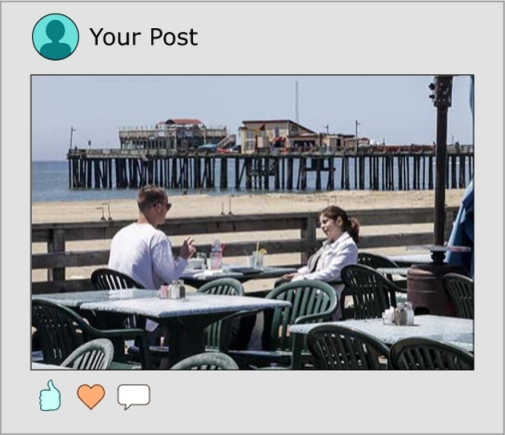
You took the following photo. You will post it on your social media. Describe your photo for your social media friends. Write complete sentences. Write as much as you can.
Your post
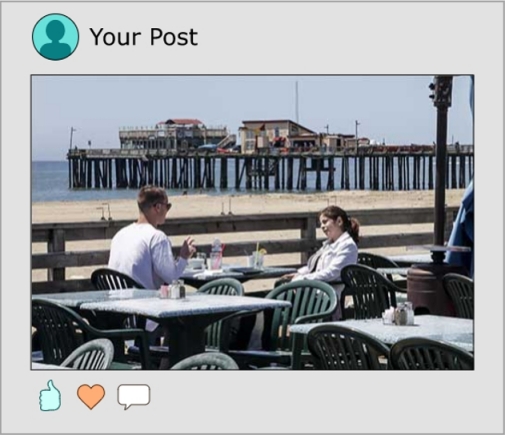
You took the following photo. You will post it on your social media. Describe your photo for your social media friends. Write complete sentences. Write as much as you can.
Your post
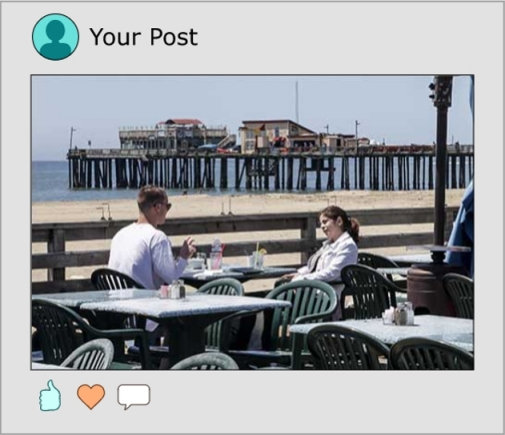
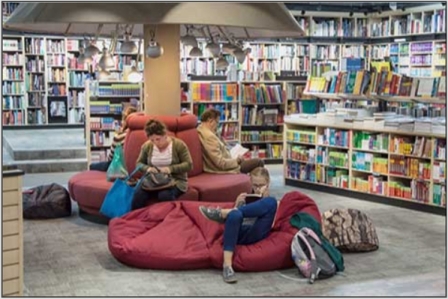
You took the following photo. You will post it on your social media. Describe your photo for your social media friends. Write complete sentences. Write as much as you can.
Your post
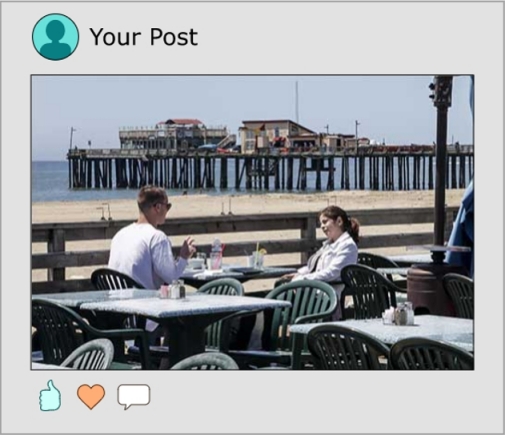

Sam is your coworker at a restaurant. On Saturday, his family will come to visit him. Sam wants to spend the whole day with his family, but he is scheduled to work. He asked you to work for him, instead. However, you already have important plans for Saturday.
Write an email to your coworker Sam:
(a) Refuse Sam’s request
(b) Explain your plans for Saturday, and
(c) Suggest an alternative solution
Response:
To: SamF@umail
Subject: Saturday
•
•
You recently took a tour of the city’s Grand Kabwe Theater with some friends. You observed the following.
Pictures on display showing the theater’s construction
Actors rehearsing for the opening of a new play
Write an email to the theater. In your email, do the following:
a) Thank the tour guide for the tour.
b) Describe something you remember seeing at the theater.
c) Ask whether your friend’s mobile phone has been found.
Response:
To: Manager@GrandKabweTheater
Subject: Tour
Word Count: radiomenuCountwords(essayDescribephoto)
INT((timeEnd - (INT(SystemSeconds))) / 60):SubStr(String(100 + MOD((timeEnd - INT( SystemSeconds)),60)),2,3)
announcementInMain
You took the following photo. You will post it on your social media. Describe your photo for your social media friends. Write complete sentences. Write as much as you can.
Your post
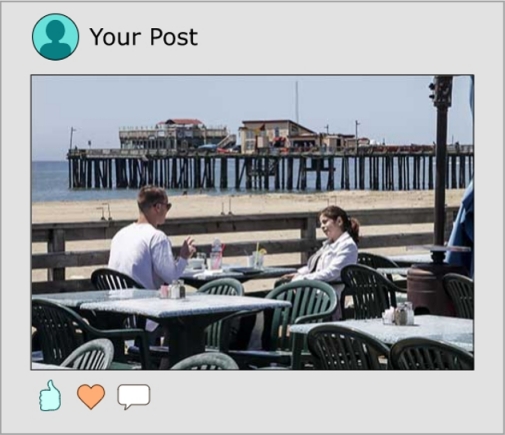
You took the following photo. You will post it on your social media. Describe your photo for your social media friends. Write complete sentences. Write as much as you can.
Your post
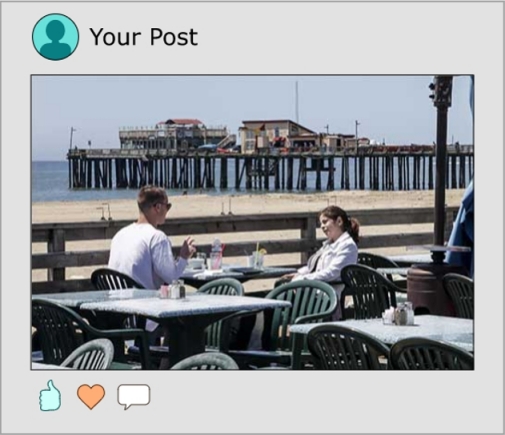
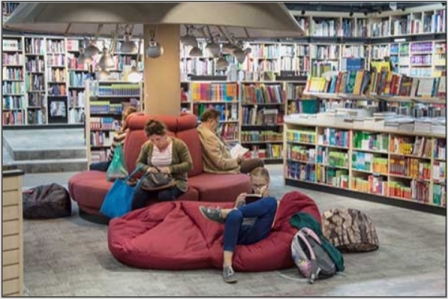
You took the following photo. You will post it on your social media. Describe your photo for your social media friends. Write complete sentences. Write as much as you can.
Your post

Sam is your coworker at a restaurant. On Saturday, his family will come to visit him. Sam wants to spend the whole day with his family, but he is scheduled to work. He asked you to work for him, instead. However, you already have important plans for Saturday.
Write an email to your coworker Sam:
(a) Refuse Sam’s request
(b) Explain your plans for Saturday, and
(c) Suggest an alternative solution
Response:
To: SamF@umail
Subject: Saturday
•
•
You recently took a tour of the city’s Grand Kabwe Theater with some friends. You observed the following.
Pictures on display showing the theater’s construction
Actors rehearsing for the opening of a new play
Write an email to the theater. In your email, do the following:
a) Thank the tour guide for the tour.
b) Describe something you remember seeing at the theater.
c) Ask whether your friend’s mobile phone has been found.
Response:
To: Manager@GrandKabweTheater
Subject: Tour
sampResponseLab
poopysnoopy


Thank for completing this test.
You may close this window.


-(a) Refuse Sam’s request
-(b) Explain your plans for Saturday, and
-(c) Suggest an alternative solution
Congratulations! You have completed
TOEFL Essentials Practice Test #formSelected.
filename:FileName

